Optimizing Housekeeping Workflow for Large Hotels
- Cleaning & Maintenance

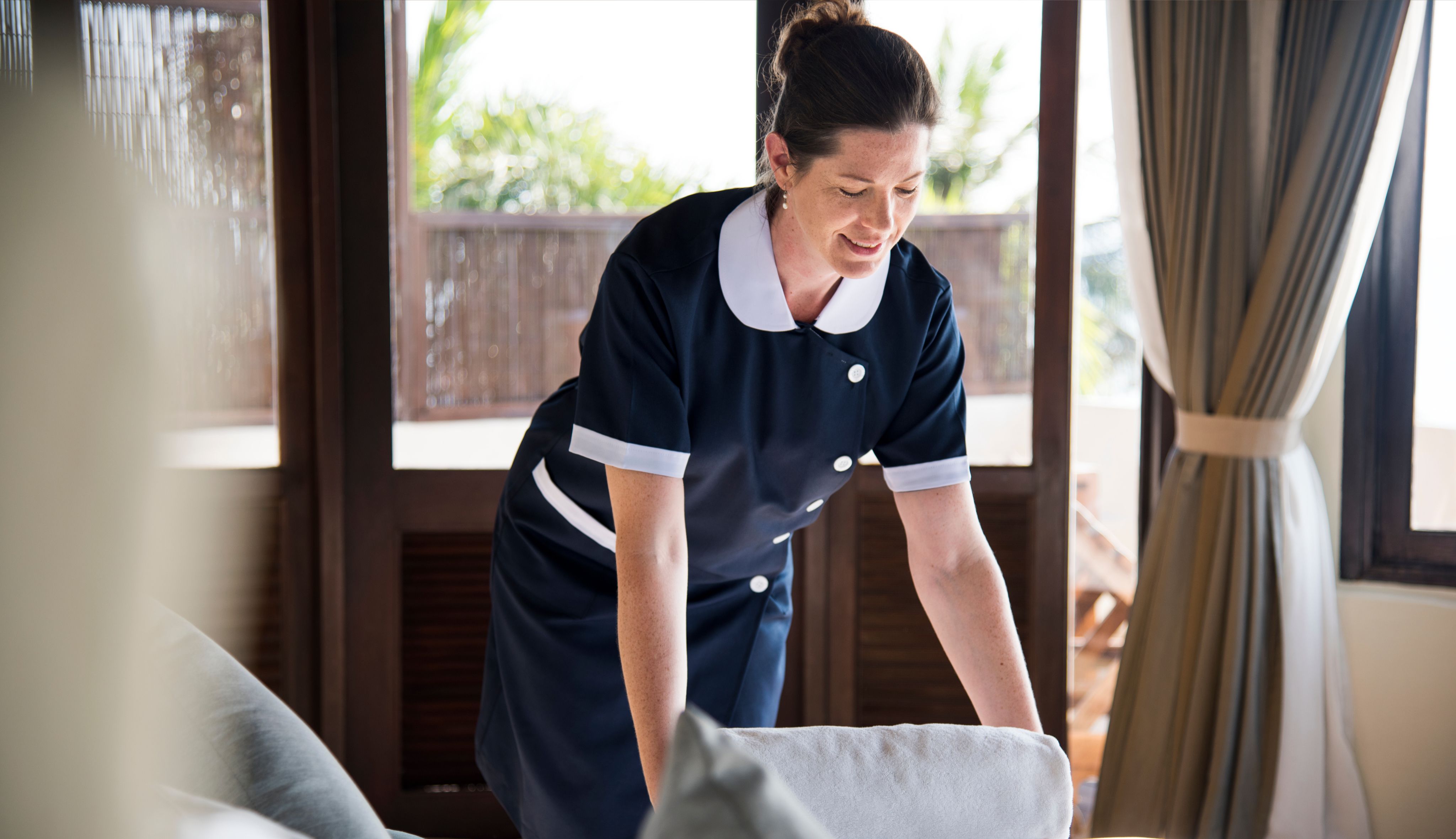
Running a large hotel means managing dozens (and sometimes hundreds) of rooms turning over daily. When the housekeeping workflow breaks down, guests notice immediately. Missed amenities, late checkouts, and inconsistent room standards erode the guest experience faster than almost any other operational failure. Getting hotel cleaning operations right at scale requires more than hard-working staff. It demands intentional systems.
Common Inefficiencies in Large-Scale Hotel Cleaning Operations
Most housekeeping bottlenecks stem from the same handful of problems: poor communication between front desk and housekeeping, unbalanced room assignments, and reactive rather than proactive scheduling.
When room status updates rely on manual radio calls or paper logs, delays compound quickly. A housekeeper finishes a room, but the front desk doesn't know for twenty minutes. Meanwhile, an arriving guest is waiting. At the same time, uneven workload distribution burns out top performers while underutilizing others — driving turnover that further strains hotel housekeeping efficiency.
Supply shortages are another silent productivity killer. Staff who spend time hunting for linens, cleaning solutions, or amenity kits are staff who aren't cleaning rooms. Without standardized restocking protocols tied to shift schedules, supply gaps become routine.
Designing a Streamlined Housekeeping Workflow for Better Productivity
A high-performing housekeeping workflow is built around predictability. Digital room management provides systems that update room status in real time so supervisors can assign rooms dynamically based on actual occupancy and priority, not guesswork.
Zoning is equally important in large properties. Dividing the hotel into dedicated cleaning zones reduces travel time between rooms and allows teams to build speed through repetition on familiar floors and layouts. Supervisors can monitor progress zone by zone and reallocate resources when one section runs ahead or behind.
Standardized cleaning checklists that are specific to room type, from standard queens to suites with multiple bathrooms, eliminate variability and give new staff a clear framework from day one. Paired with timed productivity benchmarks (not punitive, but informative), these checklists help teams self-correct without supervisor intervention on every floor.
Pre-shift briefings that take five minutes to review priorities, flag VIP arrivals, and address any carry-over issues from the previous shift consistently outperform hotels that skip this step. It costs almost nothing in time and pays dividends in coordination.
Staff Management Strategies That Improve Hotel Housekeeping Efficiency
Staff management in housekeeping is about more than scheduling bodies. It's about building a team that stays.
High turnover is endemic in hospitality services, and housekeeping tends to carry the heaviest load. Structured onboarding that pairs new hires with experienced staff (instead of dropping them into assignments on day one) shortens the learning curve and improves early retention.
Cross-training staff across room types and floors creates scheduling flexibility and reduces the operational risk of call-outs. When one section is short-staffed, cross-trained employees can absorb the gap without the entire schedule unraveling.
Performance recognition matters here too. Simple metrics like rooms completed per shift, guest satisfaction scores tied to specific rooms, or error-free inspection rates, give supervisors concrete data for coaching conversations and give staff a clear picture of what good looks like. Housekeepers who understand how their work connects to the guest experience and the hotel's reputation tend to take more ownership of their output.
How Professional Housekeeping Services Support Operational Consistency
For many large hotels, supplementing in-house teams with professional housekeeping services is a strategic decision, not a stopgap. Outsourced or hybrid housekeeping arrangements provide trained staff on demand and are particularly valuable during peak season, renovation periods, or when in-house recruitment lags behind occupancy demands.
Professional housekeeping providers bring established training programs, quality control protocols, and management oversight that slot into existing hotel cleaning operations without rebuilding the wheel. They also absorb some of the administrative burden of scheduling, compliance, and workforce management that falls on internal teams.
The key to making these arrangements work is clear service-level agreements that define room standards, turnaround times, and escalation paths. A professional housekeeping partner that understands the specific expectations of a large hotel property — and has the systems to deliver them consistently — functions as an extension of the brand, not a vendor filling a gap.
Let’s Become Partners
From short-term help to long-term staff members for your hotel, restaurant, or other establishments, we can get you the staffing you need. Contact us today!